Embarking on Dragon's Dogma 2 is like stepping into a living, unpredictable world where the very act of traveling feels like an adventure. From the moment I began my journey as the Arisen, I knew I was in for something special. Each step forward carried a sense of thrill and danger, and it wasn’t long before the game reminded me that getting lost — or even getting killed — could lead to some of the most memorable stories. This isn’t a neatly scripted adventure; it’s a world where every decision, every path taken, and every monster encountered becomes a unique anecdote.
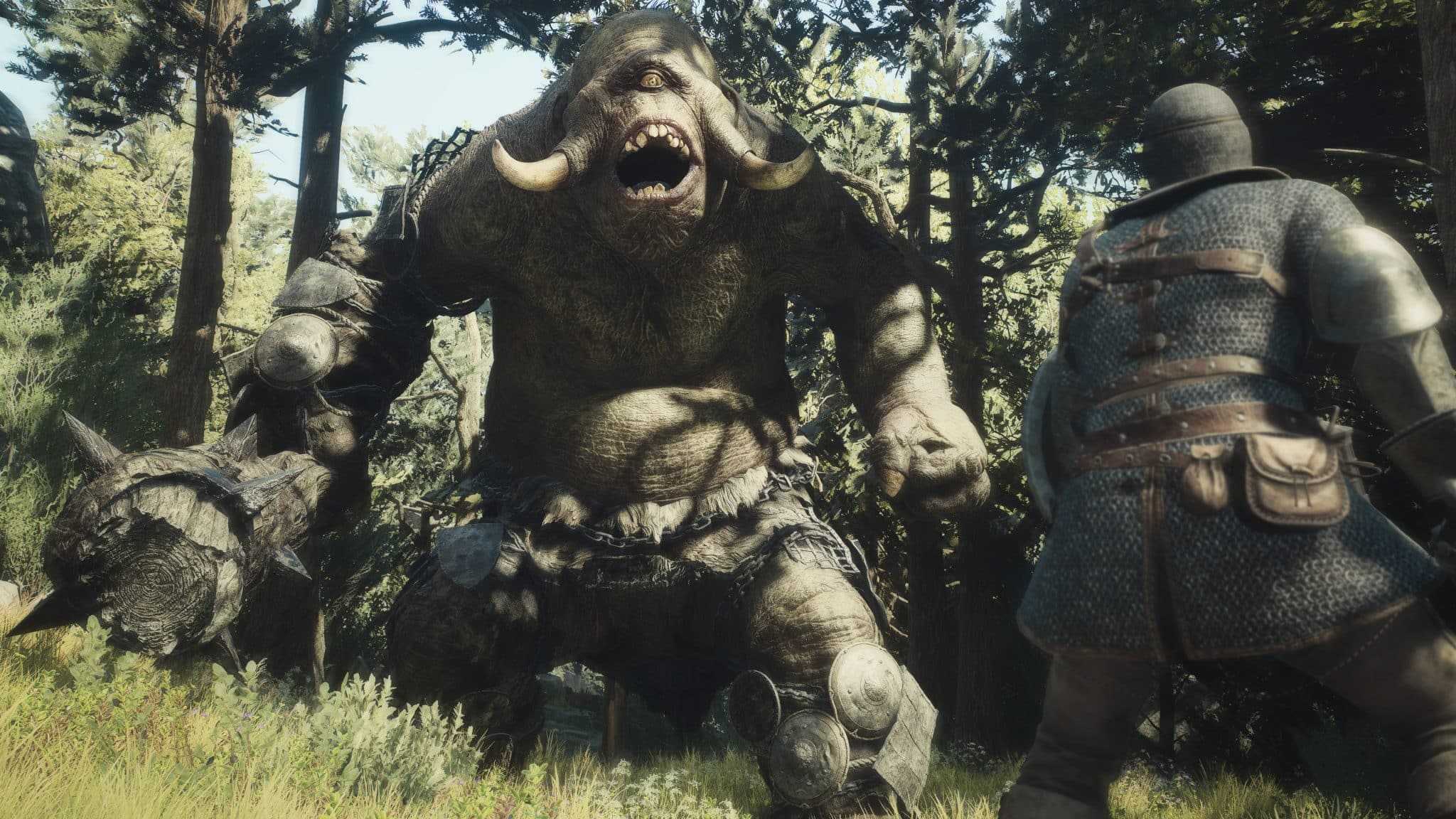
This unpredictability is, in large part, thanks to the game’s systems. Limited fast travel means that every journey is a commitment. The world doesn't just hand you a free ride; it demands preparation and, sometimes, improvisation. Wandering through dense forests or forgotten ruins, I often stumbled into pseudo-random encounters that felt like they were plucked straight from the chaos of a D&D campaign. A seemingly simple escort mission could transform into a desperate struggle as night fell and a hulking ogre emerged from the shadows. The time of day, the composition of my party, and my decision to press forward or turn back could completely change how these battles unfolded.
Speaking of battles, Dragon’s Dogma 2 doesn’t pull its punches. Each monster encounter feels distinct, and the game delights in throwing threats at you that are far beyond your current power. It’s a reminder that the world doesn’t revolve around you; it exists on its own terms. I recall one journey where a chimera blocked my path — I barely survived, with my pawns dragging my wounded body to safety just before dawn. The sense of survival was raw, and each victory felt earned. The party system adds a layer of strategy, where your choice of vocations can turn a hopeless fight into a hard-fought triumph.
The pawn system is a brilliant touch that connects your single-player journey to the broader Dragon's Dogma community. These AI-controlled companions, borrowed from other players, bring knowledge from their own adventures. Instead of sterile map markers, pawns provide hints about quests or treasures, sometimes guiding you to hidden locations in a way that feels natural and earned. It reminded me of the cooperative spirit of games like Dark Souls or Death Stranding, where player interactions shape the experience in subtle, yet impactful ways.
But what truly makes Dragon's Dogma 2 shine is its commitment to world simulation. The cities and landscapes are not just beautiful backdrops; they feel like places that exist independently of you. The city of Vermund, with its layout reminiscent of ancient Roman ruins, feels alive with bustling markets and winding streets. Whether trudging through dense woods, climbing treacherous cliffs, or navigating labyrinthine towns, the world never felt linear or artificial. I was an adventurer in a world that didn’t need me to exist — and that’s a rare feeling in modern RPGs.
The mission design reinforces this sense of autonomy. There’s no rigid quest order; you decide what takes priority. Urgency is baked into the game with time-sensitive quests, where taking too long to act can change the outcome. This design choice made my decisions feel weighty — a missed opportunity wasn’t just a failure; it was part of my story.
Of course, the game isn’t without flaws. The NPC AI feels like a relic from another era, especially when compared to modern titles like Baldur’s Gate 3. Characters move and act in ways that are serviceable but rarely convincing. Interactions are straightforward, and the relationship system, while simple and fun in its own way, doesn’t dig very deep. It works, but I often wished for more nuance, more complexity in how these characters responded to my actions.
The combat system in Dragon's Dogma 2 is a standout feature that truly captures the thrill of high-fantasy battles. It’s dynamic, responsive, and brimming with opportunities for creative and exhilarating encounters. What makes it shine is the sheer versatility it offers — whether you’re a warrior wielding a massive sword, a nimble rogue darting around enemies, or a sorcerer casting devastating spells, there’s a playstyle to suit every mood and situation.
One of the most refreshing mechanics is the ability to climb onto monsters. Scaling the back of a cyclops to strike at its weak points or clutching a griffin as it soars through the sky adds an incredible sense of immersion and personal investment to every battle. There’s nothing quite like hanging on for dear life as a massive creature thrashes wildly, knowing your persistence could turn the tide of the fight. This physicality makes combat feel visceral, cinematic, and deeply rewarding.
In the end, Dragon’s Dogma 2 captures the essence of what an adventure RPG should be — unpredictable, challenging, and brimming with possibility. The flaws are noticeable, but they don’t overshadow the magic of the experience. This is a world where every journey feels like a gamble, every encounter a potential disaster or triumph. Here’s hoping that in Dragon's Dogma 3, Capcom builds on this foundation to deliver the ultimate RPG experience. Until then, I’ll cherish the memories of getting lost in a world that felt wonderfully, beautifully alive.